Quick answer
The most common cause is uneven brake rotors (often called warped rotors). Other causes include worn pads, a sticking caliper, worn suspension or steering parts, or a wheel problem. Because braking is involved, get it inspected soon.
A real question from our inbox: “Vehicle Shaking When Braking”
Where you feel it tells you a lot
| What you feel | Most likely cause |
|---|---|
| Steering wheel shakes when braking | Front rotors |
| Brake pedal pulses | Rotors, front or rear |
| Seat or whole car shakes when braking | Rear rotors or suspension |
| Car pulls to one side when braking | Sticking caliper or uneven pad wear |
| Shaking at speed, braking or not | Tire balance, wheel or suspension |
Get it checked by a licensed technician
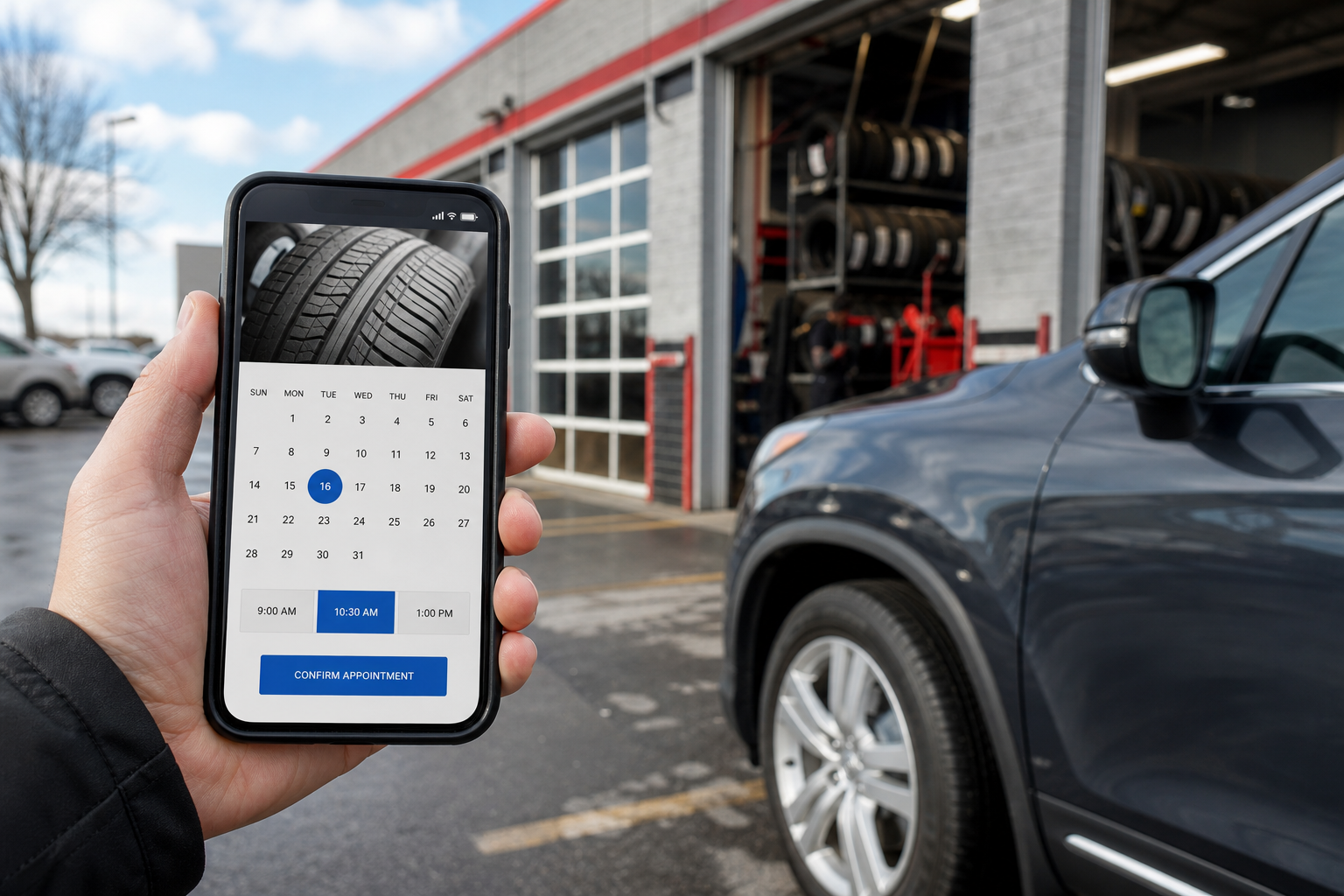
Book an inspection at any of our six Ontario locations. Same-day appointments are often available.
Common causes explained
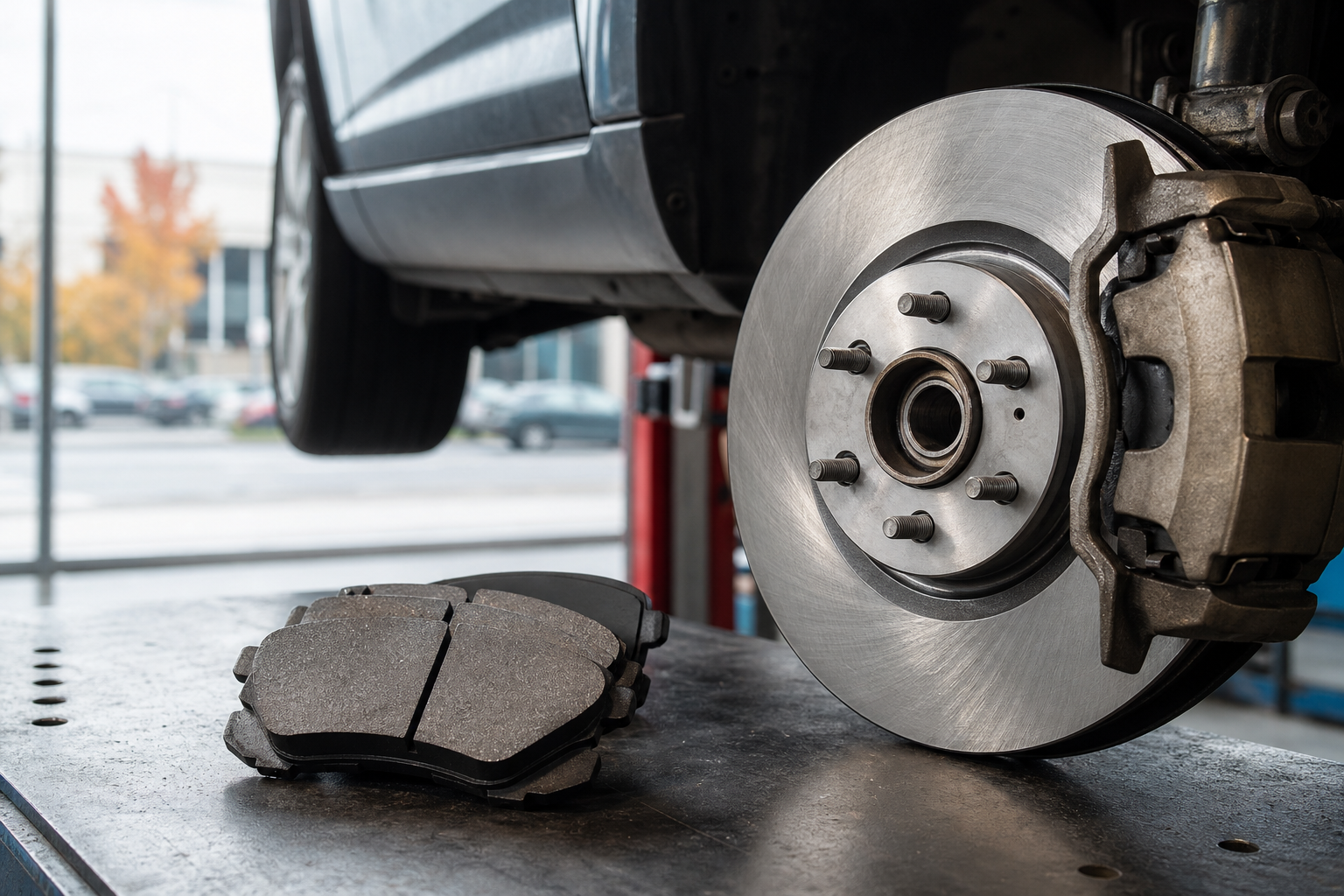
- Uneven rotors. Heat and uneven pad deposits create high spots that the pads grab on every rotation.
- Worn pads. Very thin pads, or pads down to metal, can vibrate and damage rotors.
- Sticking caliper. A caliper that doesn’t release overheats the rotor.
- Suspension wear. Worn control arm bushings or tie rods can amplify vibration under braking.
- Wheel issues. Loose lug nuts, uneven torque or a bent wheel.
Is it safe to drive?
A mild vibration is a warning, not an emergency, but it can get worse and lengthen your stopping distance. Grinding noises, a pedal that sinks, or a strong pull are reasons to stop driving and get it checked right away.
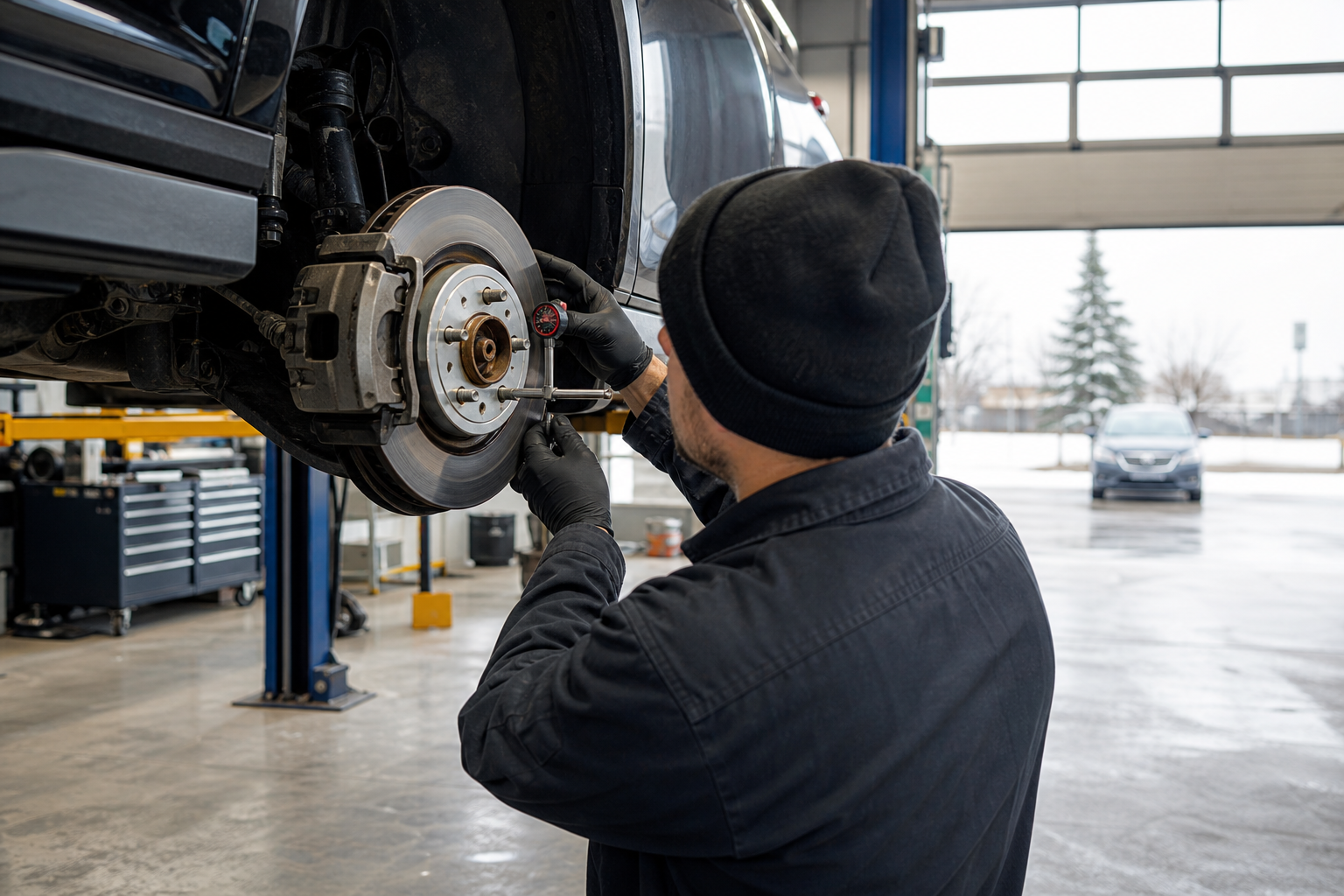
What a brake inspection checks
- Pad thickness and wear pattern.
- Rotor thickness and runout.
- Caliper slides and pistons.
- Brake fluid condition and lines.
- Wheels, lug torque and suspension parts.
From the shop floor
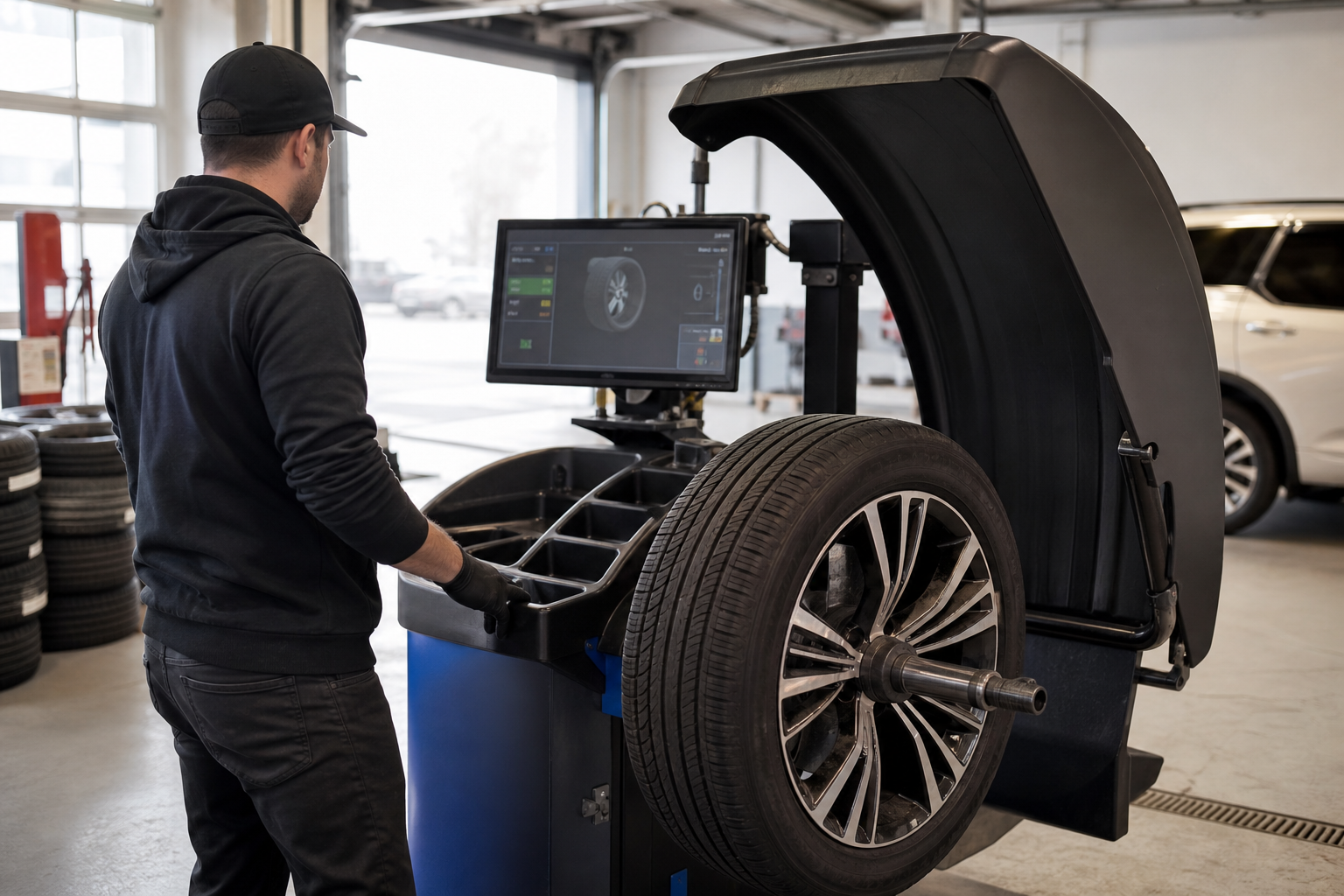
After new wheels or tires, uneven lug torque is a cause people forget. Lugs tightened with an impact gun and no torque check can make perfectly good rotors feel warped.
Shop guidance reviewed by Faisal Mohammad, Licensed Automotive Service Technician, Limitless Tire
Your next steps
- Note where you feel the shake and at what speed.
- Book a brake inspection.
- See our brake repair services.
Frequently Asked Questions
Are warped rotors dangerous?
They can lengthen stopping distance and get worse over time. Have them inspected soon.
Can rotors be resurfaced?
Sometimes, if they're thick enough. Otherwise they're replaced. The inspection measures thickness.
Why does it only shake at highway speed?
Rotor high spots are felt more at higher speeds. Shaking at speed without braking points to tire balance or wheels.
Should I replace pads and rotors together?
Often, yes, especially if rotors are uneven or below minimum thickness.
Can I finance a brake repair?
Yes, with no credit check, $0 down and 90 days before your first payment.
Sources & References
Faisal Mohammad
Licensed Automotive Service Technician · Operations Partner, Limitless Tire
Faisal Mohammad is a Licensed Automotive Service Technician and operations partner at Limitless Tire. He has 22 years of experience in the automotive industry, with extensive experience in tires, wheels, automotive repairs and multi-location automotive operations across Ontario.
More from Faisal Mohammad