Title: Mastering the Basics: Understanding Tire Pressure Monitoring Systems (TPMS) for Enhanced Tire Safety
Hello there, drivers, car enthusiasts and everyone in-between! Today, we're taking a deep dive into the world of tire safety, specifically focusing on Tire Pressure Monitoring Systems (TPMS). Understanding TPMS may seem complicated, but just like all good things in life, knowledge is power. So, buckle up and prepare for an informative journey with me as we navigate the essentials of TPMS.
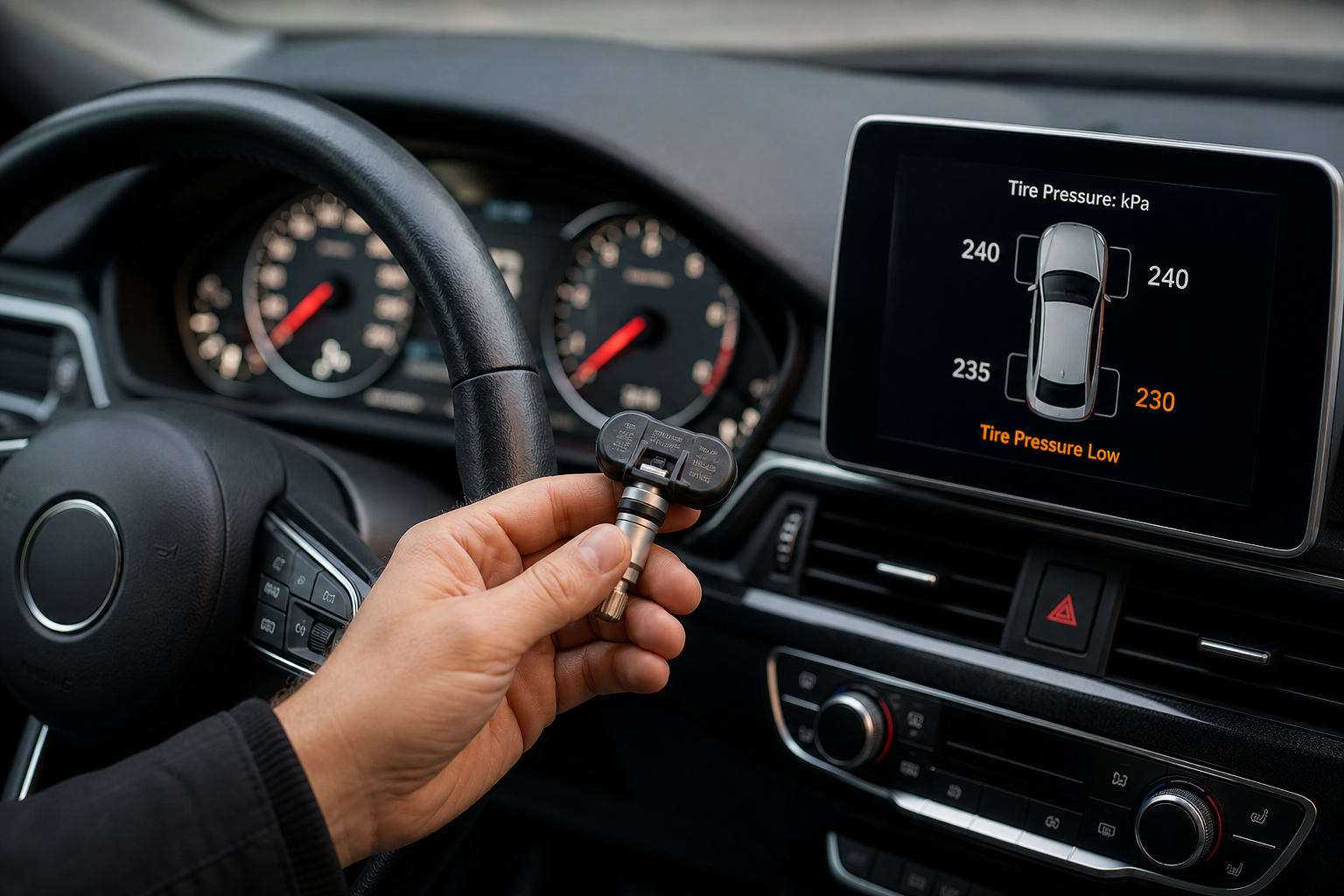
First things first, what exactly is a Tire Pressure Monitoring System? Broadly speaking, a TPMS is a handy feature built into modern vehicles that keep an eye on your tire pressure automatically. When the pressure in one or more of your tires falls below an acceptable level, the system alerts you through a warning light on your dashboard. You see, tire safety is not as alien or technical as it sounds, right?
Understanding TPMS is key for all drivers as it not only ensures safety but also translates into optimal fuel efficiency, longer tire life, and smooth ride quality. Its primary function is to alert you when your tires are under-inflated, which could potentially lead to dangerous scenarios such as a blowout or an accident.
The TPMS basics are pretty straightforward, but the system can be advanced depending upon the car. There are two types of TPMS: direct and indirect. The direct TPMS measures the pressure in each tire directly and reports it to the car's computer system, while the indirect one uses the vehicle's antilock braking systems (ABS) to approximate tire pressure.
One crucial aspect of tire safety is knowing when your TPMS warning light comes on. If it illuminates and stays lit, this signifies at least one of your tires is significantly under-inflated. On the other hand, if the light flashes for approximately 60-90 seconds and remains steady, it's indicating a malfunction in the TPMS itself.
The beauty of understanding TPMS lies in realizing the importance of regular tire checks and maintenance practices. Remember, your TPMS is not a substitute for regular tire pressure checks with a good old-fashioned gauge. It's simply an early warning system that props up a potential issue.
To sum it up, the world of tire pressure systems may seem overwhelming at first. Still, with a little knowledge and consistency, it becomes part of your routine, leading to safer, more efficient rides, and prolonging your tires' lifespan. So, go ahead, get to know your tire pressure monitoring system. Take control and promote tire safety today!
Remember, understanding TPMS doesn't just mean acknowledging the existence of a light on your dashboard; it's about maximizing your vehicle’s safety, performance and tire longevity!
#TirePressureMonitoring #TPMSBasics #UnderstandingTPMS #TirePressureSystems #TireSafety
Tags
Tires
FM
Faisal Mohammad
Licensed Automotive Service Technician · 22 years' experience
Faisal Mohammad is a licensed Automotive Service Technician with 22 years of hands-on experience in the automotive industry. He has built, repaired, and serviced thousands of vehicles across tires, wheels, brakes, suspension, and diagnostics, and reviews the tire and automotive guides published by Limitless Tire for technical accuracy.