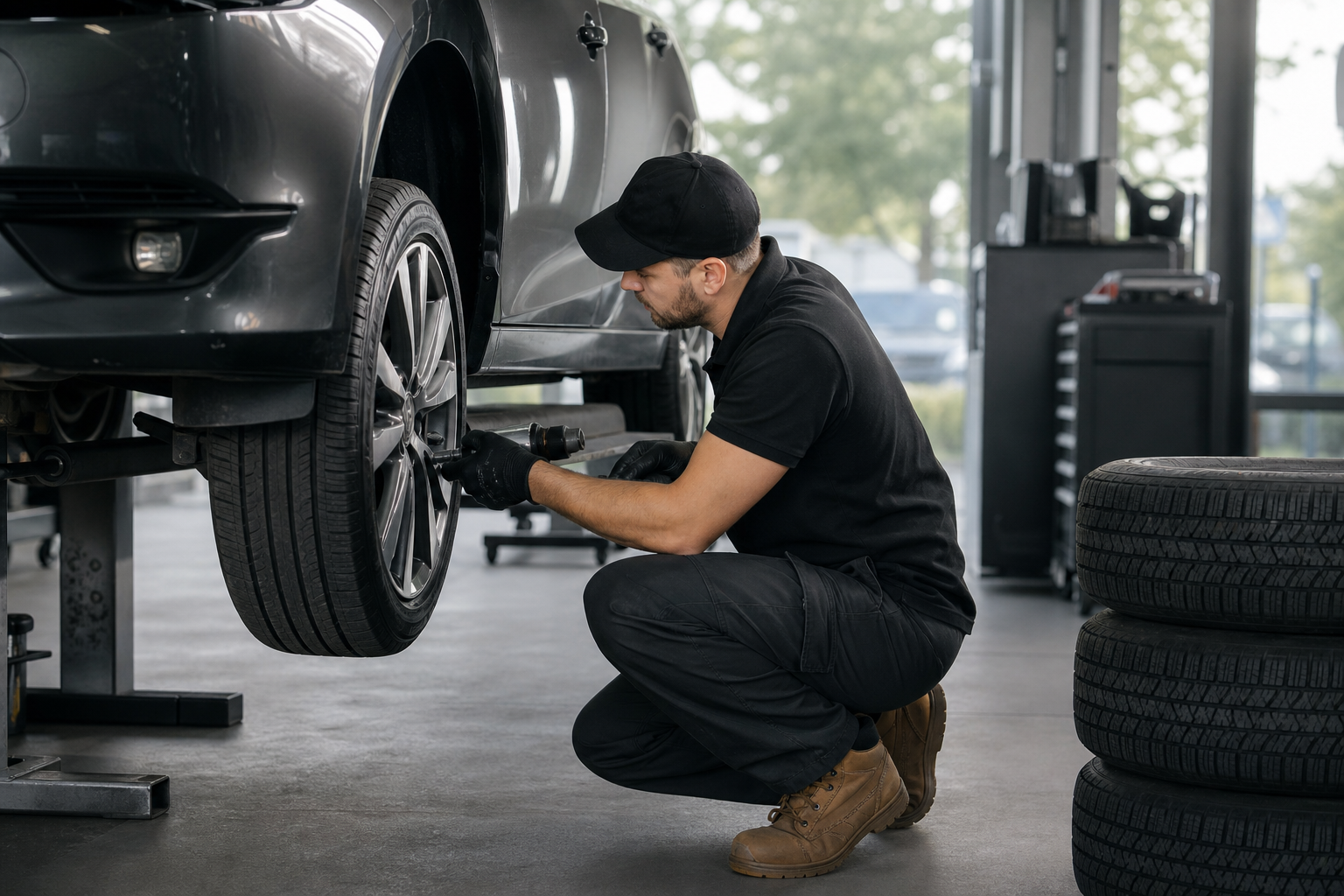
Understanding Tire Maintenance
Proper tire maintenance is crucial for ensuring optimal performance, longevity, and safety of your vehicle. This section will cover the importance of tire rotation, the benefits of tire balancing, winter tire requirements, the importance of regular tire pressure checks, and repairing a flat tire.
Importance of Tire Rotation
Tire rotation is the process of moving tires to different vehicle positions to ensure even tread wear, extending the life of the tires and improving performance. Neglecting tire rotation can lead to premature wear, reducing the overall lifespan of the tires and potentially causing safety hazards on the road. Regular tire rotations can also improve fuel economy by promoting more even wear, allowing the tires to maintain optimal traction and performance (Empire Auto Care). Additionally, by rotating tires, drivers can prevent uneven wear and tear, resulting in a smoother and safer ride for both passengers and the vehicle itself (Empire Auto Care).
Benefits of Tire Balancing
Tire balancing ensures that the weight of the tire and wheel assembly is distributed evenly, reducing vibrations and providing a smoother ride. When tires are not balanced, it can lead to uneven wear on the tires, negatively impacting performance and causing discomfort for passengers. By properly balancing your tires, you can enhance the longevity of your tires, improve fuel efficiency, and enhance overall driving comfort. Signs that your tires may need balancing include vibrations at high speeds or uneven wear patterns. If you notice these signs, it is recommended to have your tires balanced by a professional at a tire repair shop (Dunn Tire).
Winter Tire Requirements
Winter tires are designed to provide improved traction and handling in cold weather conditions. They are made with a special rubber compound that remains flexible in low temperatures, allowing for better grip on snowy and icy surfaces. In Canada, winter tire usage is regulated to ensure road safety during winter months. It is important to familiarize yourself with the specific regulations in your province or territory to ensure compliance. When selecting and maintaining winter tires, consider factors such as tread depth, tire ratings, and proper storage during warmer months. For more detailed information on winter tire requirements, consult our article on winter tire requirements.
Importance of Regular Tire Pressure Checks
Maintaining proper tire pressure is essential for optimal performance, safety, and fuel efficiency. Underinflated tires can lead to increased fuel consumption, decreased handling, and premature wear. Overinflated tires, on the other hand, can result in a harsher ride, reduced traction, and uneven wear. It is recommended to check your tire pressure at least once a month using a reliable tire pressure gauge, such as a tire pressure gauge. Be sure to follow the manufacturer's recommendations for the appropriate tire pressure for your vehicle. Regular tire pressure checks will help you maintain optimal performance and extend the life of your tires.
Repairing a Flat Tire
Flat tires can happen unexpectedly and knowing how to repair them can be invaluable. Common causes of flat tires include punctures from nails or other sharp objects, damaged valve stems, or slow leaks. If you experience a flat tire, it is important to safely pull over to a secure location and assess the damage. In some cases, a flat tire can be repaired using a flat tire repair kit. However, it is essential to evaluate the severity of the damage and consult a professional if needed. In situations where the tire cannot be repaired, it may be necessary to replace the tire. If you require professional assistance, search for a reliable tire repair shop, such as flat tire repair near me, to ensure your tire is properly repaired or replaced.
By understanding the importance of tire rotation, tire balancing, winter tire requirements, regular tire pressure checks, and how to repair a flat tire, you can effectively maintain the performance, safety, and longevity of your vehicle's tires. Regular maintenance and addressing any issues promptly will help ensure a smooth and safe driving experience.
Tire Rotation: What You Need to Know
Taking care of your tires is an essential part of vehicle maintenance. One crucial aspect of tire maintenance is tire rotation. In this section, we will explore what tire rotation is, why it is important, the recommended frequency for tire rotation, and the different tire rotation patterns available.
What is Tire Rotation?
Tire rotation is the process of moving tires to different vehicle positions to ensure even tread wear, extending the life of the tires and improving performance (GitHub). By regularly rotating your tires, you can prevent uneven wear and tear, resulting in a smoother and safer ride for both you and your vehicle (Empire Auto Care).
Why Should You Rotate Your Tires?
There are several important reasons to rotate your tires. First and foremost, regular tire rotations can help improve fuel economy by promoting more even wear, allowing the tires to maintain optimal traction and performance (Empire Auto Care). Additionally, neglecting tire rotation can lead to premature wear, reducing the overall lifespan of your tires and potentially causing safety hazards on the road (Empire Auto Care).
Moreover, proper and regular tire rotations can help identify alignment issues and other potential problems with your vehicle's suspension and steering system, allowing for timely maintenance and repairs. This can not only extend the life of your tires but also contribute to the overall longevity and performance of your vehicle.
Recommended Frequency for Tire Rotation
To achieve even tread wear and maximize tire mileage, it is generally recommended to rotate your tires every 5,000 to 7,000 miles. A convenient way to remember this is to schedule your tire rotation every other oil change, which is typically done at around every 3,000 miles. However, it's important to consult your vehicle's owner manual or check with a trusted tire professional for the specific recommendations for your vehicle.
Different Tire Rotation Patterns
Tire rotation patterns can vary depending on factors such as the type of tire, the drive of the vehicle (front, rear, all, or four-wheel drive), whether the tires are directional or non-directional, uniformity in tire sizes, and the presence of a full-size spare tire that can also be rotated for even wear. It's crucial to follow the manufacturer's recommendations or consult a tire professional to determine the most suitable rotation pattern for your specific vehicle and tire configuration.
Traditional tire rotation patterns include the forward cross pattern or alternative X pattern for front-wheel drive vehicles, and the rearward cross pattern or alternative X pattern for rear-wheel drive or four-wheel drive vehicles (Dunn Tire). These patterns help ensure that the tires wear evenly and maintain proper traction.
Additional tire rotation patterns are available for performance tires and wheels, such as the "Front-to-Rear" pattern for same-size directional wheels/tires and the "Side-to-Side" pattern for different-sized non-directional tires and wheels. In some cases, vehicles with different-sized directional wheels and tires, as well as wheels with different front and rear offsets with directional tires, may require dismounting, mounting, and rebalancing to properly rotate the tires.
By understanding the importance of tire rotation, following the recommended frequency, and utilizing the appropriate rotation patterns, you can maintain even tread wear, enhance traction, handling, cornering, and braking performance, and ultimately improve overall driving safety (Bridgestone Tire). Don't forget to consult a tire professional or visit a tire repair shop to ensure that your tires are rotated correctly and to address any specific concerns or questions you may have.
Tire Balancing: Ensuring Smooth Rides
When it comes to maintaining your vehicle, tire balancing is a crucial aspect that ensures a smooth and comfortable ride. Let's explore what tire balancing is, why it's important, signs that indicate your tires need balancing, and the tire balancing process.
What is Tire Balancing?
Tire balancing is the process of equalizing the weight distribution of a tire and wheel assembly to eliminate vibrations and ensure a smooth ride (All Makes Collision Centre). Over time, tires can become imbalanced due to uneven wear, changes in tire pressure, or the accumulation of dirt and debris. These imbalances can cause vibrations, leading to discomfort for passengers and potential damage to the vehicle's suspension components (Gibson's Auto Care).
Importance of Tire Balancing
Proper tire balancing is crucial for optimal performance, as imbalanced tires can cause vibrations, uneven tire wear, and potential damage to the suspension system (All Makes Collision Centre). By ensuring that the weight is evenly distributed, tire balancing helps to minimize these issues and provides a more comfortable driving experience. It also extends the lifespan of your tires, saving you money in the long run.
Signs Your Tires Need Balancing
There are several signs that may indicate your tires need balancing. If you experience vibrations in the steering wheel or vehicle at certain speeds, it could be a sign of tire imbalance (Gibson's Auto Care). These vibrations can be felt more prominently when driving at higher speeds. Additionally, if you notice uneven tire wear or a decrease in overall ride quality, it may be time to have your tires balanced.
The Tire Balancing Process
The tire balancing process involves using specialized equipment to measure the imbalance and adding small weights to the wheel to counteract it. During the process, a technician will mount the tire and wheel assembly onto a balancing machine. The machine will then spin the wheel and detect any imbalances. Based on the readings, the technician will attach small weights to the wheel in specific locations to counterbalance any heavy spots and ensure even weight distribution.
Tire balancing should be performed whenever new tires are installed, during tire rotation, or if you experience any signs of imbalance (All Makes Collision Centre and Gibson's Auto Care). It's recommended to have your tires balanced by a professional at a reputable tire repair shop to ensure accurate results.
By prioritizing tire balancing, you can enjoy a smoother and more comfortable ride, extend the lifespan of your tires, and prevent potential damage to your vehicle's suspension system. If you're experiencing any signs of imbalance or are due for a tire rotation, consider visiting a trusted tire repair shop for tire balancing services.
Winter Tire Requirements: Staying Safe in Cold Weather
When the cold weather sets in, it's crucial to ensure your vehicle is equipped with the right tires to navigate through winter conditions safely. In this section, we will explore the importance of winter tires, winter tire regulations in Canada, and provide tips for choosing and maintaining winter tires.
Why Winter Tires Are Important
Winter tires are specifically designed to enhance traction and performance in cold weather conditions, including snow, ice, and slush. Unlike all-season tires, winter tires are made with a unique rubber compound that remains flexible in low temperatures, allowing for improved grip on icy and snowy surfaces. The tread patterns on winter tires are also designed to provide better traction and channel away slush and water, reducing the risk of hydroplaning.
Investing in winter tires can significantly enhance your safety on the road during the winter months. They improve braking distances, enhance stability, and help maintain control, reducing the risk of accidents and collisions. It's important to note that in some provinces and territories in Canada, it is mandatory to have winter tires during specific winter months. Let's explore these regulations further.
Winter Tire Regulations in Canada
Winter tire regulations in Canada vary by province and territory. It's vital to familiarize yourself with the specific regulations in your area to ensure compliance and safety. Here are some key points to consider:
| Province/Territory | Winter Tire Requirements |
|---|---|
| British Columbia | Winter tires are mandatory on most highways from October 1 to March 31. |
| Alberta | Winter tires are not mandatory, but strongly recommended for safe winter driving. |
| Saskatchewan | Winter tires are not mandatory, but recommended for winter driving conditions. |
| Manitoba | Winter tires are not mandatory, but strongly recommended for winter driving conditions. |
| Ontario | Winter tires are not mandatory, but recommended for safe winter driving. |
| Quebec | Winter tires are mandatory from December 1 to March 15. |
| New Brunswick | Winter tires are not mandatory, but recommended for winter driving conditions. |
| Nova Scotia | Winter tires are not mandatory, but recommended for winter driving conditions. |
| Prince Edward Island | Winter tires are not mandatory, but recommended for winter driving conditions. |
| Newfoundland and Labrador | Winter tires are not mandatory, but recommended for winter driving conditions. |
| Yukon | Winter tires are not mandatory, but recommended for winter driving conditions. |
| Northwest Territories | Winter tires are not mandatory, but recommended for winter driving conditions. |
| Nunavut | Winter tires are not mandatory, but recommended for winter driving conditions. |
Please note that the regulations mentioned are subject to change. It's essential to check with the local transportation authority or government website in your province or territory for the most up-to-date information regarding winter tire requirements.
Tips for Choosing and Maintaining Winter Tires
When selecting winter tires, consider the following tips to ensure optimal performance and longevity:
Choose the right size: Ensure the winter tires you select are the correct size for your vehicle. Refer to your vehicle's owner's manual or consult a tire professional for guidance.
Look for the mountain snowflake symbol: When shopping for winter tires, look for the mountain snowflake symbol on the sidewall. This symbol indicates that the tire meets specific winter performance requirements.
Consider your driving conditions: Consider the typical winter driving conditions in your area. If you frequently encounter heavy snowfall or icy roads, opt for tires with more aggressive tread patterns and enhanced snow and ice traction.
Regularly check tire pressure: Cold temperatures can cause tire pressure to decrease. It's important to monitor and maintain the proper tire pressure throughout the winter. Use a tire pressure gauge to check the pressure regularly.
Rotate your winter tires: Just like all-season tires, it's important to rotate your winter tires regularly to ensure even wear and prolong their lifespan. Refer to the tire manufacturer's recommendations or consult a tire professional for the appropriate rotation pattern.
Store your winter tires properly: When the winter season is over, store your winter tires in a cool, dry place away from direct sunlight. Consider using tire storage racks or consulting a tire professional for winter tire storage options.
By understanding the importance of winter tires, staying informed about the regulations in your area, and following these tips for choosing and maintaining winter tires, you can drive with confidence and safety during the cold weather months. Remember to consult a tire professional or visit a tire repair shop for expert guidance on selecting the right winter tires for your vehicle.
Tire Pressure Check: Maintaining Optimal Performance
To ensure optimal performance and safety of your vehicle, it's crucial to maintain proper tire pressure. Incorrect tire pressure can lead to uneven wear, reduced fuel efficiency, and compromised handling. In this section, we will explore the importance of proper tire pressure, how to check tire pressure, and tips for maintaining it.
Importance of Proper Tire Pressure
Maintaining the correct tire pressure is essential for several reasons. Firstly, properly inflated tires promote even tread wear, extending the lifespan of your tires. This ensures that all four tires wear evenly and avoid premature wear on the edges or center of the tread. Regular tire rotations can also help in achieving even tread wear and maximizing tire mileage Gibson's Auto Care.
Proper tire pressure also contributes to improved fuel efficiency. Underinflated tires create more rolling resistance, which requires the engine to work harder and consume more fuel. By maintaining the recommended tire pressure, you can help optimize your vehicle's fuel economy TireBuyer.
Furthermore, maintaining the correct tire pressure ensures proper traction and handling. Overinflated tires have reduced contact with the road, resulting in less grip and compromised handling. On the other hand, underinflated tires can lead to decreased responsiveness and increased braking distance. By keeping your tires properly inflated, you can enhance your vehicle's stability and maneuverability TireBuyer.
How to Check Tire Pressure
Checking your tire pressure regularly is a simple yet essential task. Here's a step-by-step guide to help you:
Refer to the owner's manual: Check your vehicle's owner's manual or the sticker located on the driver's door jamb, glove compartment, or fuel filler flap for the recommended tire pressure. The recommended pressure may vary depending on the vehicle type and load conditions.
Use a tire pressure gauge: Ensure you have a reliable tire pressure gauge, either digital or analog. These can be found at auto parts stores or online retailers. Avoid using old or damaged gauges, as they may provide inaccurate readings.
Check the pressure when the tires are cold: Tire pressure increases as the tires heat up during driving. To obtain accurate readings, check the tire pressure when the tires are cold, preferably before you start driving or at least three hours after the vehicle has been parked.
Remove the valve cap: Unscrew the valve cap from the tire's valve stem. Keep the valve cap in a safe place to avoid misplacing it.
Attach the gauge to the valve stem: Press the tire pressure gauge onto the valve stem firmly and squarely. Ensure a tight seal to prevent air leakage during the measurement.
Read the pressure: The gauge will display the tire pressure reading. Compare it to the recommended pressure specified in your vehicle's manual. If the pressure is lower than recommended, add air. If it's higher, release some air until it reaches the appropriate level.
Repeat for all tires: Check the pressure of all four tires, including the spare tire if applicable. Remember to check the pressure in each tire individually.
Tips for Maintaining Proper Tire Pressure
To maintain proper tire pressure and extend the life of your tires, consider the following tips:
Regular checks: Perform tire pressure checks at least once a month or before long trips. This helps detect any gradual air loss or sudden pressure drops.
Avoid relying on visual inspection: Tire pressure cannot be accurately determined by visual inspection alone. Even if the tires appear properly inflated, it's important to use a tire pressure gauge for accurate measurements.
Check spare tire pressure: Don't forget to include the spare tire in your pressure checks. It's crucial to have a properly inflated spare tire in case of emergencies.
Avoid overinflation: While it's important to maintain proper tire pressure, avoid overinflating the tires. Excessive pressure can lead to a harsher ride and increase the risk of tire damage.
Consider a tire pressure monitoring system: Investing in a tire pressure monitoring system can provide real-time pressure readings and alerts for any significant deviations from the recommended pressure. These systems can help ensure that you're always aware of your tire pressure status TireBuyer.
By following these steps and tips, you can maintain proper tire pressure, enhance your safety on the road, and prolong the life of your tires. Remember, if you're unsure about checking the tire pressure yourself or notice any significant pressure deviations, it's always advisable to consult a professional or visit a trusted tire repair shop for assistance.
Flat Tire Repair: Dealing with Unexpected Situations
No one wants to experience a flat tire, but it's an unfortunate occurrence that can happen when you least expect it. Understanding the causes of flat tires, knowing the steps to repair them, and when to seek professional assistance can help you navigate these unexpected situations with confidence.
Causes of Flat Tires
Flat tires can be caused by various factors, including:
- Punctures from nails, screws, or other sharp objects on the road.
- Damage to the tire sidewall from hitting a curb or pothole (Gibson's Auto Care).
- Wear and tear over time, leading to tire failure (Empire Auto Care).
- Improper tire inflation, which can cause the tire to become damaged or blow out (Creamery Tire Inc).
By being aware of these causes, you can take precautions to minimize the risk of flat tires. Regular tire maintenance, such as tire rotation, tire balancing, and tire pressure checks, can help identify potential issues early on.
Steps to Repair a Flat Tire
When faced with a flat tire, it's important to know how to handle the situation safely. Here are the general steps to repair a flat tire:
- Find a safe location to pull over and park your vehicle. Ensure that you are away from traffic and on level ground.
- Turn on your hazard lights to alert other drivers of your presence.
- Locate your vehicle's spare tire, jack, and lug wrench.
- Loosen the lug nuts on the flat tire, but do not remove them just yet.
- Use the jack to lift the vehicle off the ground, following the instructions provided by the manufacturer.
- Fully remove the lug nuts and carefully take off the flat tire.
- Mount the spare tire onto the vehicle and hand-tighten the lug nuts.
- Lower the vehicle to the ground using the jack and remove the jack.
- Use the lug wrench to tighten the lug nuts in a star or crisscross pattern.
- Double-check that all lug nuts are securely tightened.
- Store the flat tire, jack, and lug wrench back in your vehicle.
- Visit a tire repair shop as soon as possible to have the flat tire inspected and repaired.
When to Seek Professional Assistance
While some flat tire repairs can be handled on your own, there are situations where professional assistance is necessary. You should consider seeking professional help in the following circumstances:
- If the tire is severely damaged or has a large puncture that cannot be safely repaired.
- If you are unsure about the proper repair procedure or lack the necessary tools.
- If you do not have a spare tire or if the spare tire is also flat.
- If the flat tire occurs on a highway or in a hazardous location where it may not be safe to perform the repair yourself.
In these cases, contacting a reputable tire repair shop or roadside assistance service is the best course of action. They have the expertise and equipment to safely resolve the issue and get you back on the road.
Remember, it's always a good idea to be prepared for unexpected flat tires by carrying a flat tire repair kit or having access to a reliable roadside assistance service. By knowing the causes of flat tires, understanding the repair process, and recognizing when professional help is needed, you can handle flat tire situations efficiently and confidently.
Tags
Faisal Mohammad
Licensed Automotive Service Technician · 22 years' experience
Faisal Mohammad is a licensed Automotive Service Technician with 22 years of hands-on experience in the automotive industry. He has built, repaired, and serviced thousands of vehicles across tires, wheels, brakes, suspension, and diagnostics, and reviews the tire and automotive guides published by Limitless Tire for technical accuracy.