Quick answer
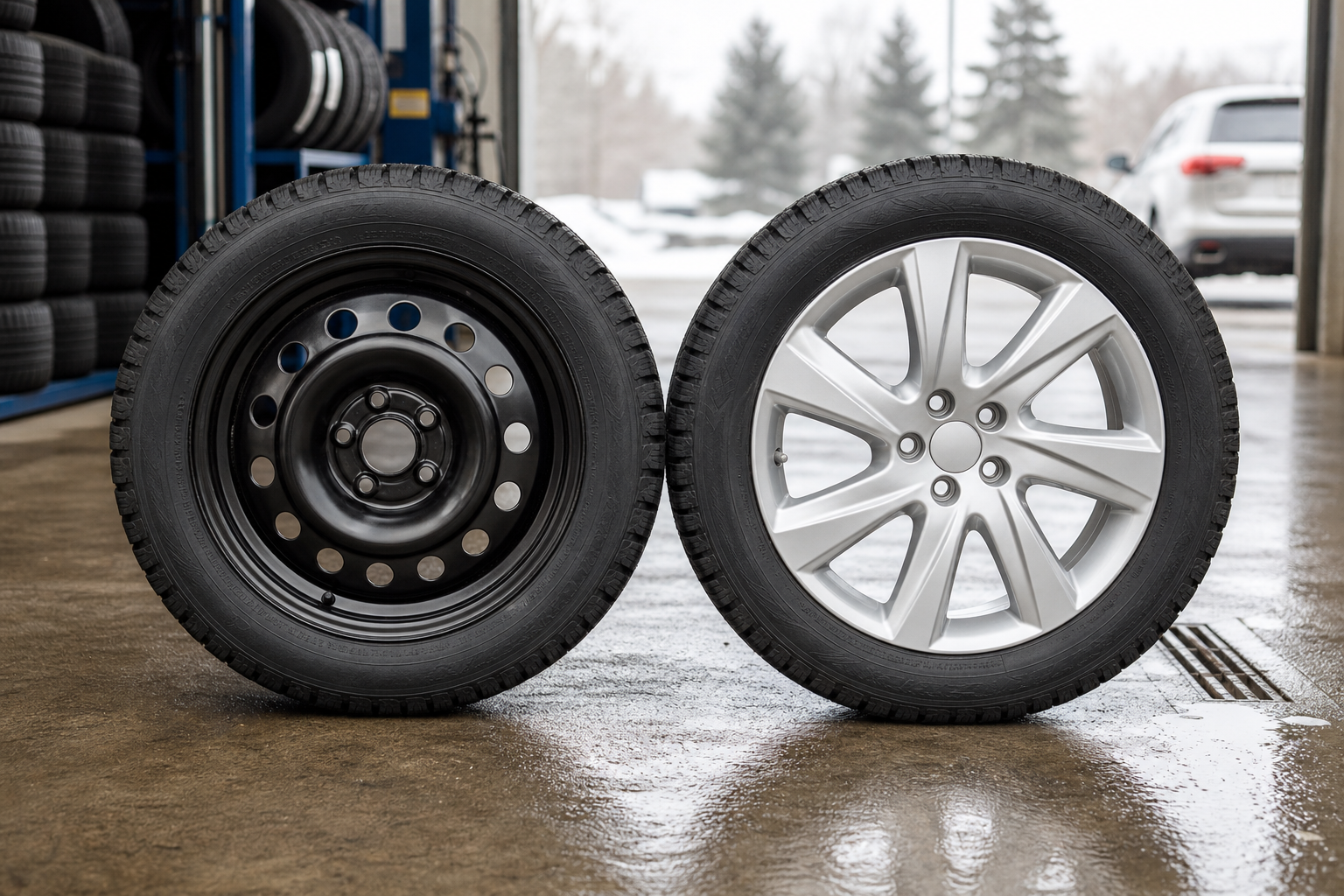
Steel is the budget, bulletproof choice: cheaper, tough against potholes, and often bendable back after a hit. Alloy is lighter and looks much better, but costs more and needs a bit of care against salt. Want the lowest cost? Steel. Want your car to look good all winter? An alloy with a durable finish.
A real question from our inbox: “Is it steel or alloy?? What alloy options do you have?”
Side by side
| Steel | Alloy | |
|---|---|---|
| Price | Lower | Higher |
| Weight | Heavier | Lighter |
| Pothole damage | Tends to bend; often repairable | Can crack or bend; repair depends on damage |
| Salt and corrosion | Can rust over time; cosmetic | Finish needs cleaning to prevent corrosion |
| Looks | Basic, often with hubcaps | Many styles and finishes |
| Sizes available | More limited | Wider range, including larger sizes |
Check fitment before you buy
The package builder matches wheels and tires to your exact vehicle, so what you order fits.
What alloy options do we have?
Alloy choices depend on your vehicle’s bolt pattern, centre bore, offset and brake clearance. Rather than list wheels that might not fit, the package builder shows only alloys that fit your vehicle, already paired with winter tires. You can also browse all wheels by size and finish.
Caring for alloys in an Ontario winter
- Rinse wheels during mild spells to remove salt build-up.
- Clean them before storage in spring.
- Avoid curbs; a cracked alloy is a replacement, not a repair.
TPMS in a winter set
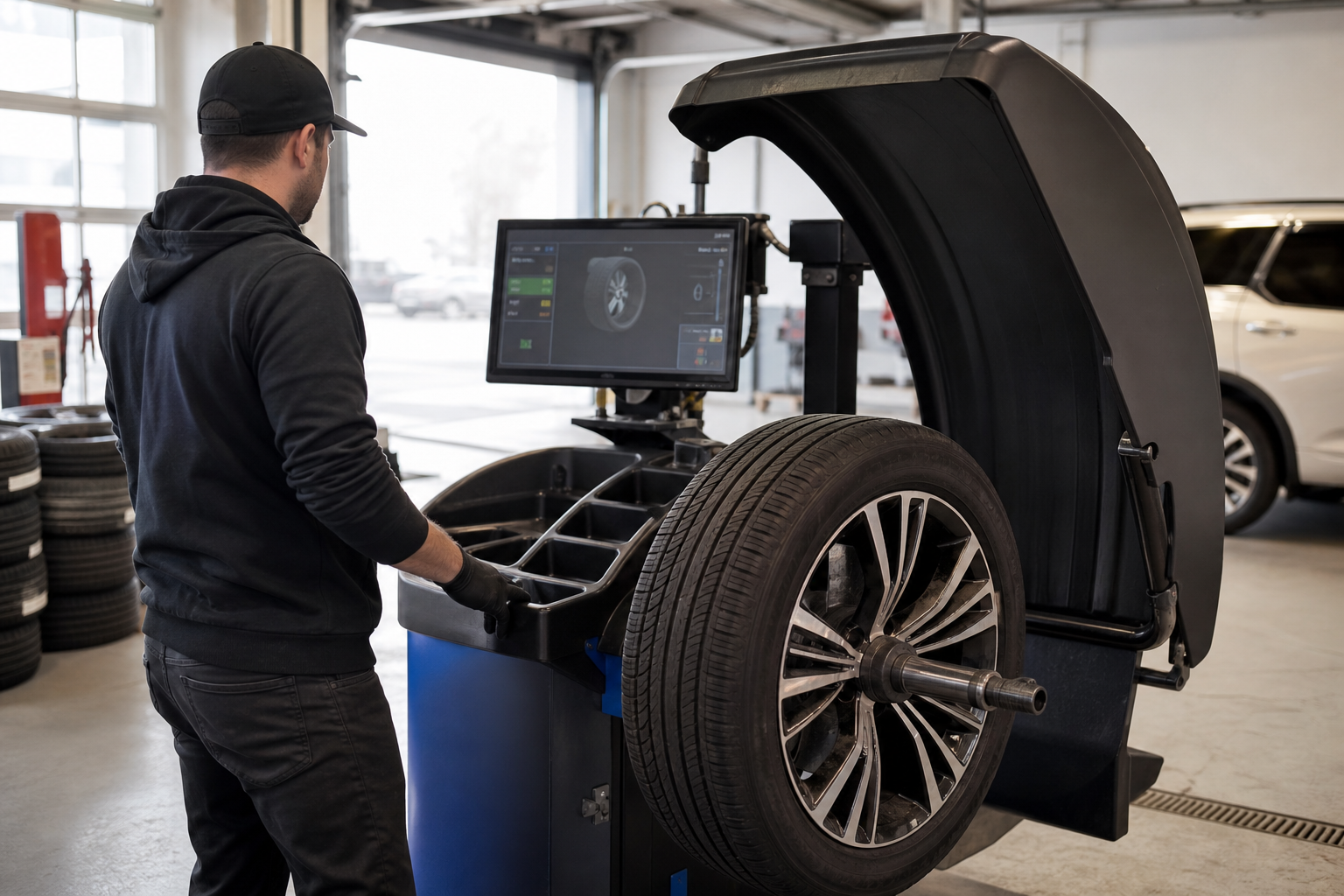
Whichever you choose, many vehicles need working TPMS sensors in the winter wheels to avoid a dash warning. We’ll tell you what your vehicle needs when you build the package.
From the shop floor
Steel for winter and keep your nice alloys for summer is the classic combination. If you want alloys year-round, pick a simple spoke design; they're much easier to keep clean of salt and slush.
Shop guidance reviewed by Faisal Mohammad, Licensed Automotive Service Technician, Limitless Tire
Your next steps
- Enter your vehicle on the package builder.
- Compare steel and alloy packages side by side.
- Spread the cost with no credit check financing if needed.
Frequently Asked Questions
Are alloy wheels bad in winter?
No. Many drivers use alloys in winter. They just need occasional cleaning to protect the finish from salt.
Are steel wheels safer?
Safety comes from the tires. Steel is more forgiving of pothole hits; alloy is lighter. Both are safe when properly fitted.
Can I put hubcaps on steel wheels?
Yes, many steel wheels accept hubcaps for a cleaner look.
Do I need TPMS sensors in winter wheels?
Many vehicles do to avoid a warning light. We'll check your vehicle.
Which is cheaper over time?
Steel is cheaper upfront and inexpensive to repair. Alloys hold more resale appeal.
Sources & References
Faisal Mohammad
Licensed Automotive Service Technician · Operations Partner, Limitless Tire
Faisal Mohammad is a Licensed Automotive Service Technician and operations partner at Limitless Tire. He has 22 years of experience in the automotive industry, with extensive experience in tires, wheels, automotive repairs and multi-location automotive operations across Ontario.
More from Faisal Mohammad