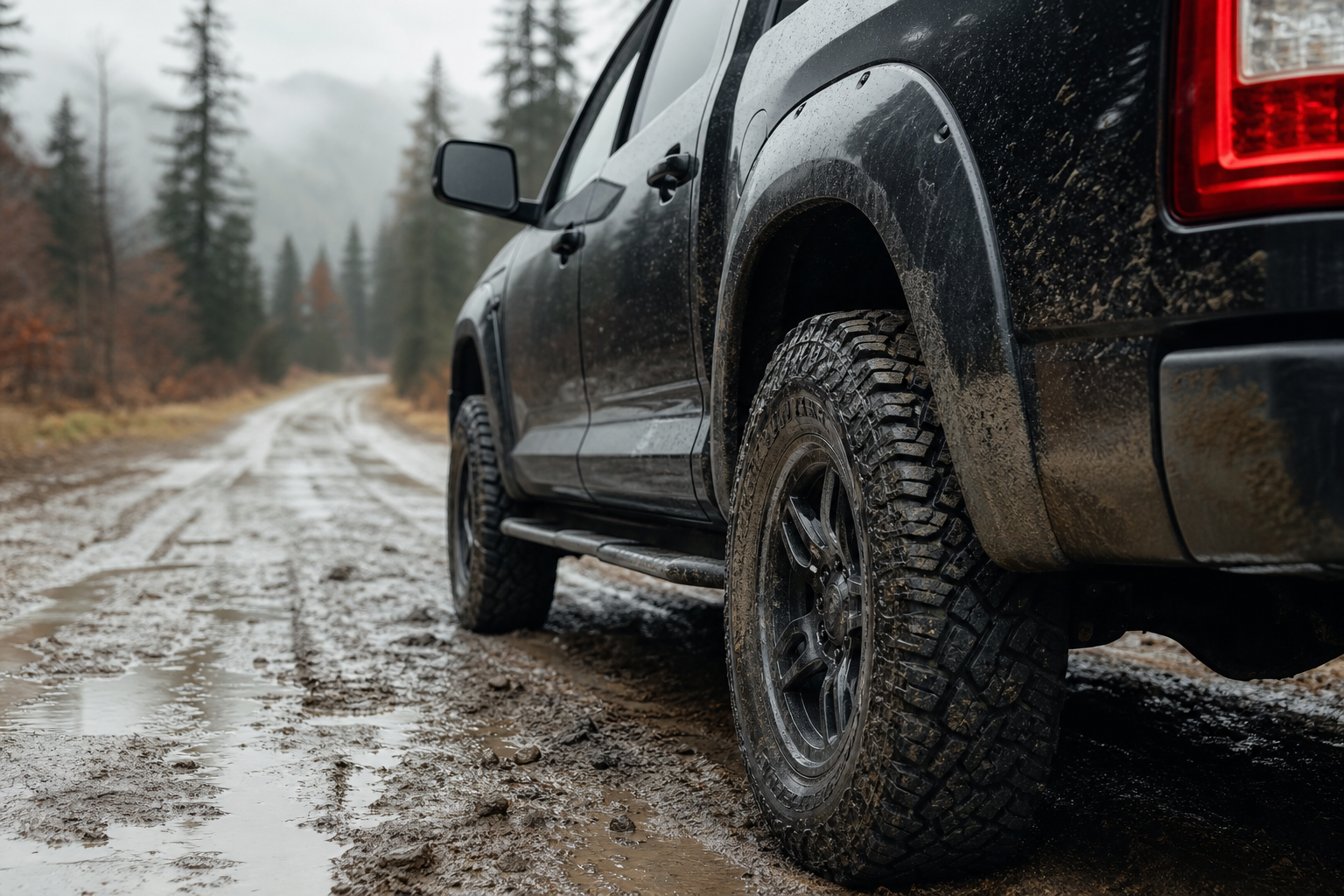
How All-Terrain and Mud-Terrain Tires Impact Fuel Efficiency
Choosing the right type of tire can significantly impact your vehicle's fuel efficiency. For drivers considering either all-terrain or mud-terrain tires, understanding the nuances in how these tire types affect fuel efficiency is crucial, especially in the diverse driving conditions found across the Greater Toronto Area (GTA). In this article, we explore how these tires can influence gas mileage and provide tips to optimize fuel efficiency.
Understanding Tire Type and Fuel Efficiency
The term "tire type fuel efficiency" refers to how different tire designs and constructions can affect a vehicle's fuel consumption. Tires are the point of contact between your vehicle and the road, and their design plays a pivotal role in determining how efficiently your car uses fuel.
All-Terrain Tires
All-terrain tires are designed to offer balanced performance both on-road and off-road. Their tread patterns are optimized for a variety of surfaces, providing decent traction on highways and gravel roads. However, the rugged tread design can sometimes result in increased rolling resistance, affecting fuel efficiency.
Mud-Terrain Tires
Mud-terrain tires are built for off-road performance, featuring aggressive tread patterns that excel in muddy and rough terrains. While they provide superior traction in difficult conditions, the trade-off is typically a higher rolling resistance on paved roads, which can negatively impact fuel efficiency.
Fuel Efficiency: Comparison Table
| Feature | All-Terrain Tires | Mud-Terrain Tires |
|---|---|---|
| Rolling Resistance | Moderate | High |
| On-Road Fuel Efficiency | Better | Poorer |
| Off-Road Performance | Good | Excellent |
Factors Affecting Tire Impact on Gas Mileage
Several factors influence how tire type affects gas mileage:
- Tread Design: Aggressive treads increase friction and rolling resistance.
- Weight: Heavier tires consume more fuel.
- Air Pressure: Under-inflated tires can reduce fuel efficiency by up to 3% according to Natural Resources Canada.
Optimizing Fuel Efficiency with All-Terrain and Mud-Terrain Tires
To mitigate the impact of tire type on fuel efficiency, consider these tips:
- Regularly check and maintain proper tire pressure.
- Choose tires with lower rolling resistance if frequent highway driving is expected.
- Schedule routine tire rotations to ensure even wear.
Local Considerations for GTA Drivers
Driving conditions in the GTA, including frequent travel on key highways such as the 401 and QEW, require careful consideration of tire choice. All-terrain tires may offer a better balance for drivers in urban areas like North York or Mississauga who occasionally drive off-road. For Brampton off-road enthusiasts, mud-terrain tires may be more suitable. For more detailed insights, explore our articles on the difference between all-terrain and mud-terrain tires and mud-terrain tires for Brampton off-roaders.
Call to Action
If you're considering new tires and need expert advice, contact Limitless Tire for a comprehensive tire inspection and recommendations tailored to your driving habits and local conditions. Visit our appointments page to book a service.
FAQ
- Do all-terrain tires affect fuel efficiency? Yes, they can increase rolling resistance slightly, which may reduce fuel efficiency compared to standard highway tires.
- Are mud-terrain tires suitable for highway driving? While possible, they are less fuel-efficient and noisier than all-terrain or highway tires on paved roads.
- How can I improve fuel efficiency with mud-terrain tires? Maintain proper tire pressure and consider nitrogen inflation to reduce rolling resistance.
- What is the best tire type for mixed driving conditions in Toronto? All-terrain tires offer a versatile solution for both urban and occasional off-road driving.
- Can tire choice impact emissions? Yes, higher fuel consumption from less efficient tires can increase a vehicle's emissions. Consider regular emissions testing.
Tags
Faisal Mohammad
Licensed Automotive Service Technician · 22 years' experience
Faisal Mohammad is a licensed Automotive Service Technician with 22 years of hands-on experience in the automotive industry. He has built, repaired, and serviced thousands of vehicles across tires, wheels, brakes, suspension, and diagnostics, and reviews the tire and automotive guides published by Limitless Tire for technical accuracy.